Throughout the EP there are multiple characters who produce diegetic and non-diegetic voices. The first is the person who is heard tuning their radio during ‘Senses Intertwined’; their voice is not heard until the very end of the work, but the sounds created by their actions are the first thing heard by a listener to the EP. The use of a sample taken from a vintage Hallicrafters SX-22 radio and the filtering used on the recordings helps to place these scenes somewhere in the mid-70’s.
Next is the voice on the radio channel that our first character settles on. He is a psychologist or neuro-scientist of some kind discussing the concept of synaesthesia. I wrote the script for this in quite a poetic manner as I envisaged an eccentric character who enjoys the marriage of art and science. He is voiced by Dr Roy Bain MBE, whose well spoken English accent suits the character and era well. Certain words are enhanced by non-diegetic sounds such as the twinkling celest with echo on the word ‘music’ and the pouring of a kettle on ‘tea’. This same technique is used in ‘Can’t You Tell’ on the word ‘freeze’ where the celeste sound gives the impression of ice.
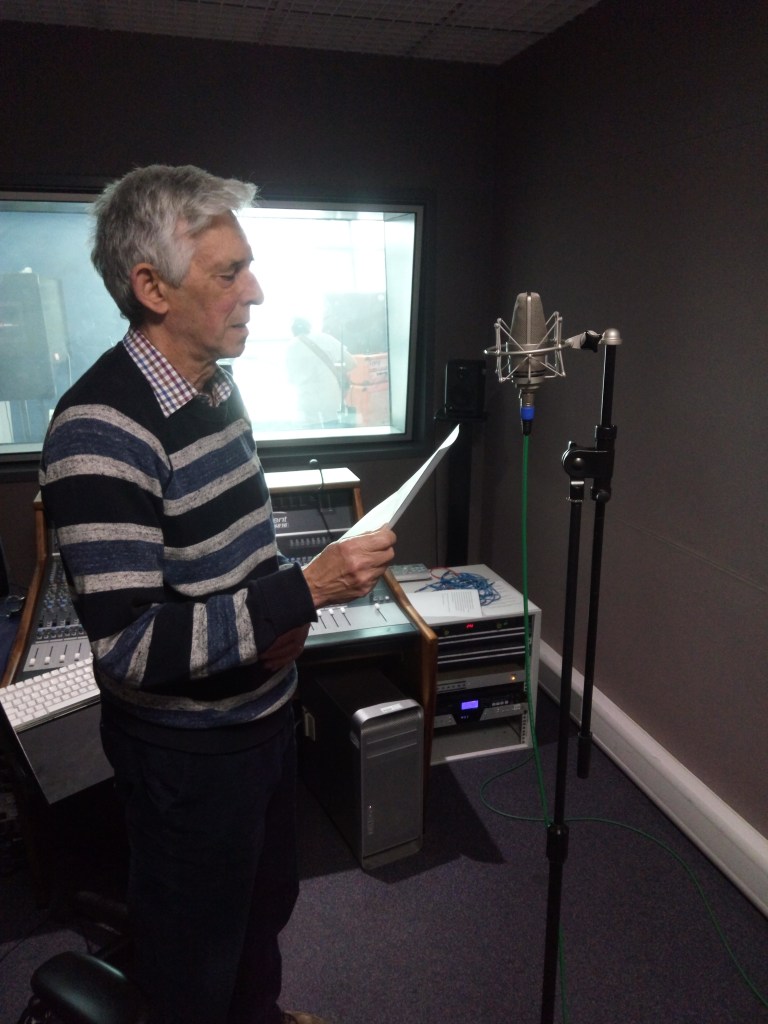
Next comes the sung vocals within the songs. These are not intended to be tracks playing on the radio but manifestations of the thoughts and feelings that our main character may feel while listening. During both ‘A World Without Music’ and ‘Pariah’ another spoken voice is heard, this is again a manifestation, perhaps of a person from our main character’s past. His mother? His sister? His lover? Or someone else entirely? That is up to the listener to decide. The poetry here was written by Izzy Robertson who also voiced the character. I wanted a different tone from the others and so instead of writing it myself, I asked her to write various reactions to the question “what can music make you feel?”
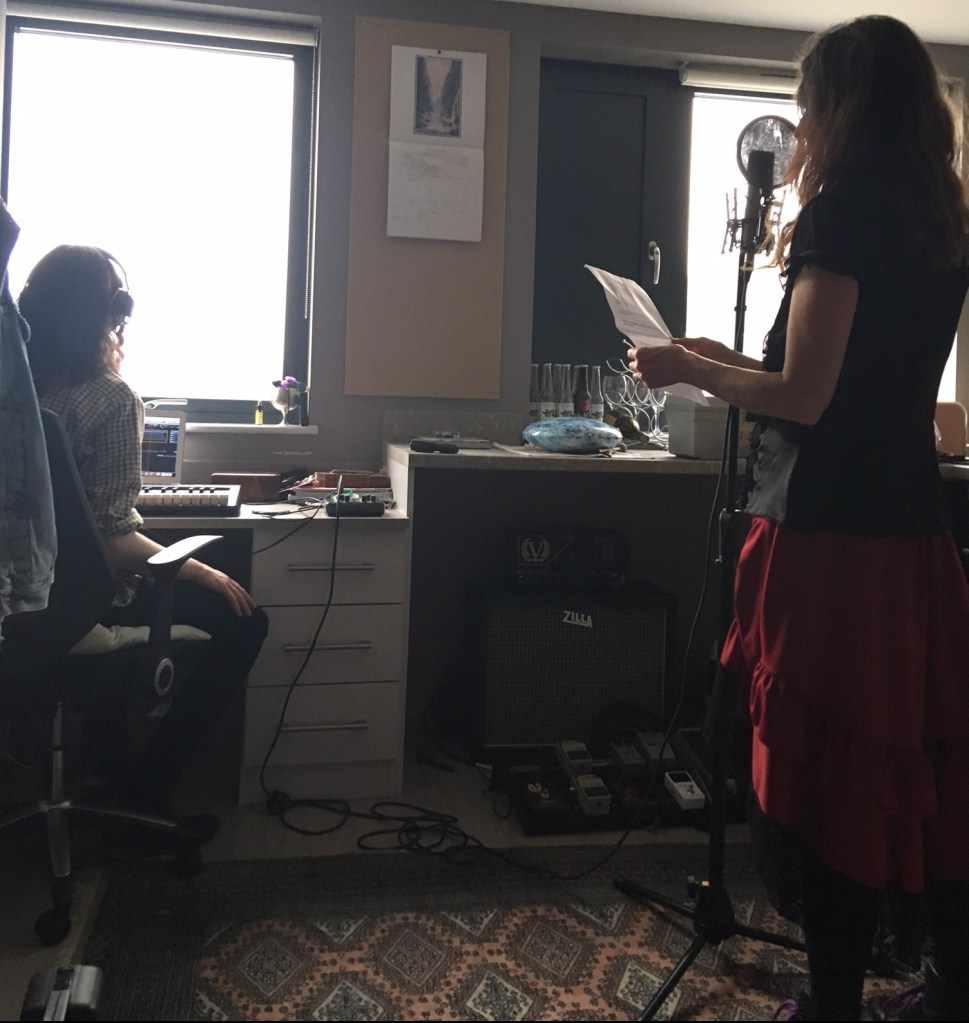
Closing the EP is ‘The Importance of Emotion’ another diegetic piece on the radio. Voiced by Brian Robertson, it features a quote from jazz musician Jacob Collier: “sounds mean nothing until you use them in emotional ways.” I found this particularly inspiring and feel that it encapsulates the theme of entire work. As this finishes, our main character is heard for the first time, in the form of a deep, thoughtful sigh before he switches off the radio.
I manipulated the volume of the radio sample to give the impression of channels coming in and out. The voices and short clips were effected with a band pass filter in the upper mid-range and a light distortion. On the voices, I also automated the frequency of the low cut to match the radio interference. At the end of ‘The Importance of Emotion’ the first switch is intended to be a standby switch and the second, louder one, the off switch. When this is pulled, I set up a short fade-out on the interference sample to simulate the capacitors releasing their charge.

 What Colours Do You Hear?